



ENGLISH
▼
- Home
- English
- Product
Portable water samplerReleased in May 2022
Water sampling - Water quality - Water for your Life
1 Compact size
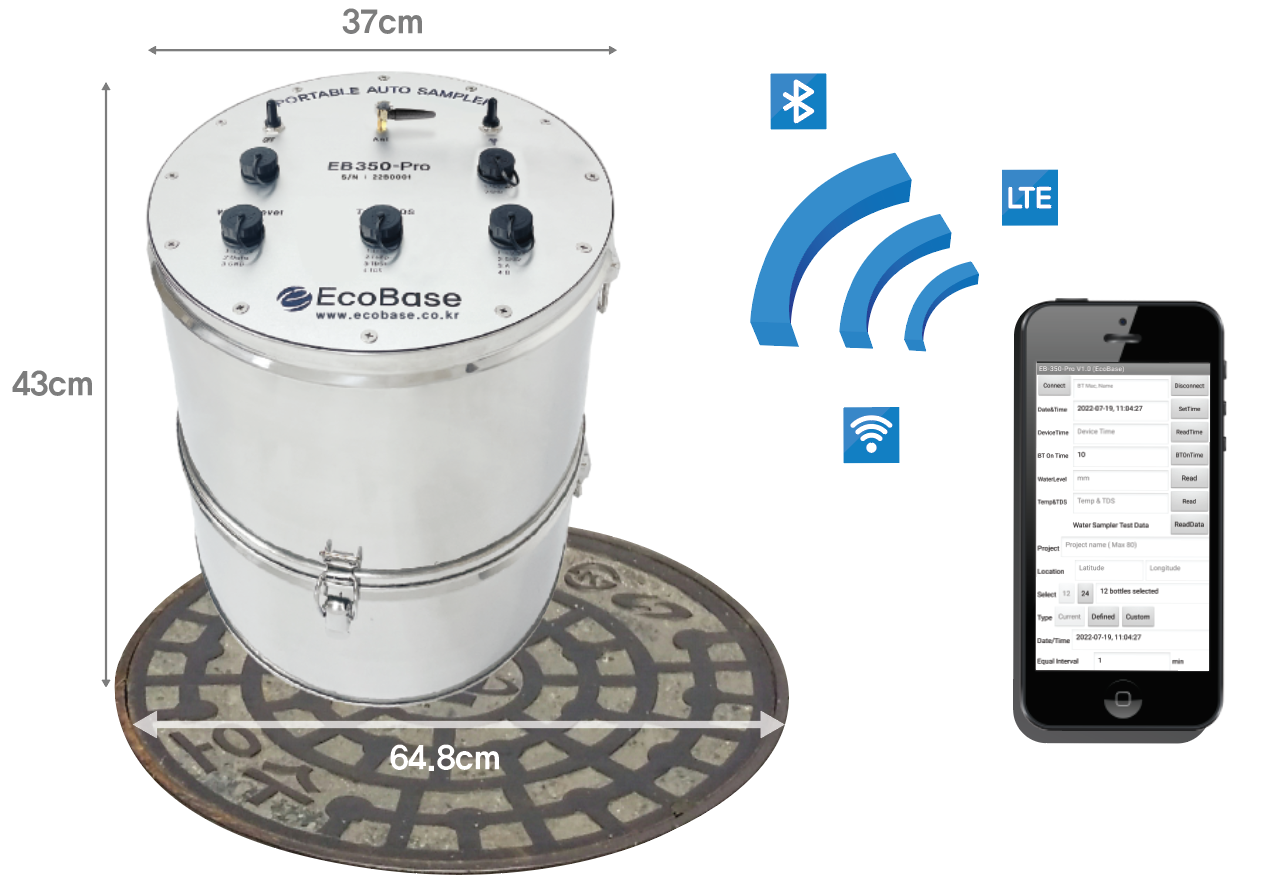
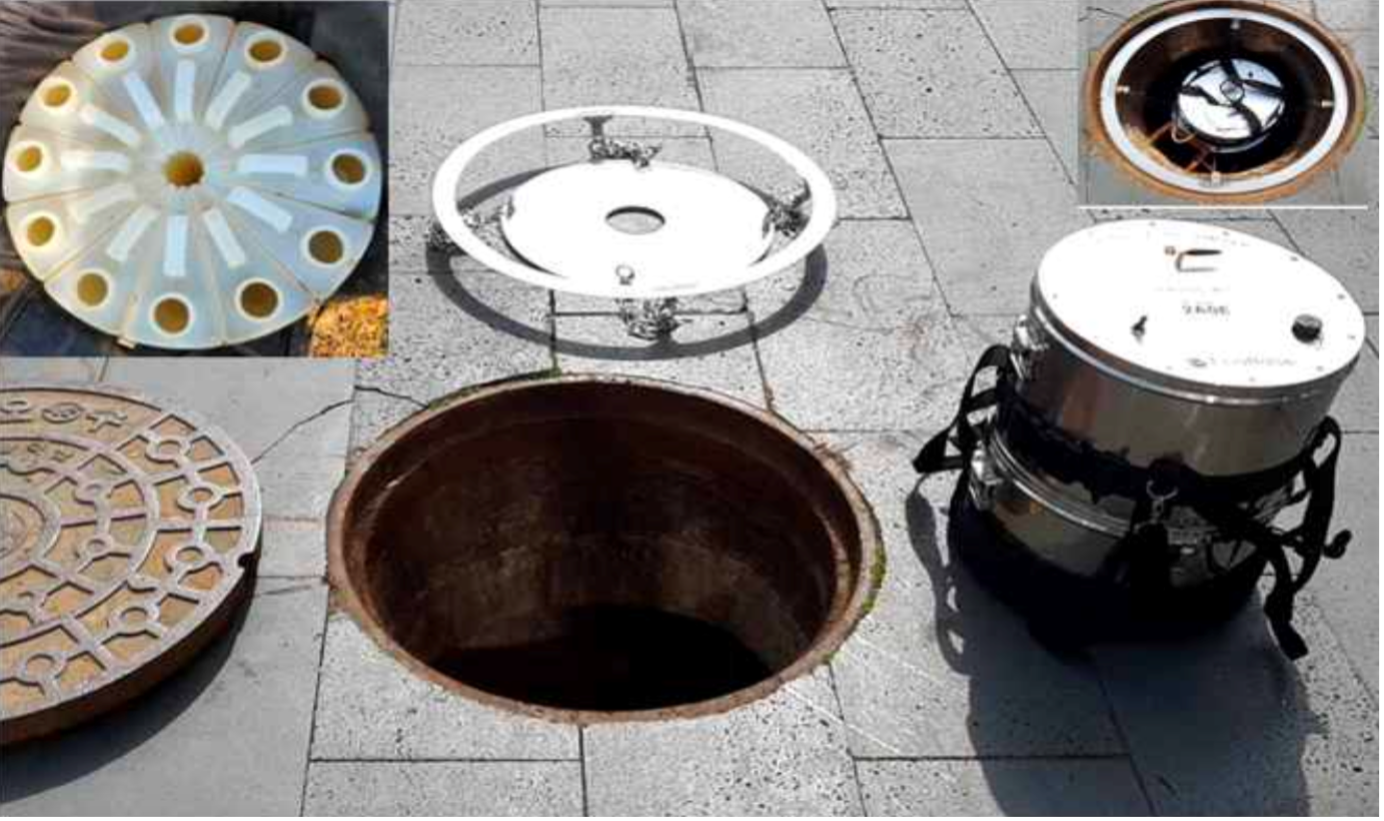
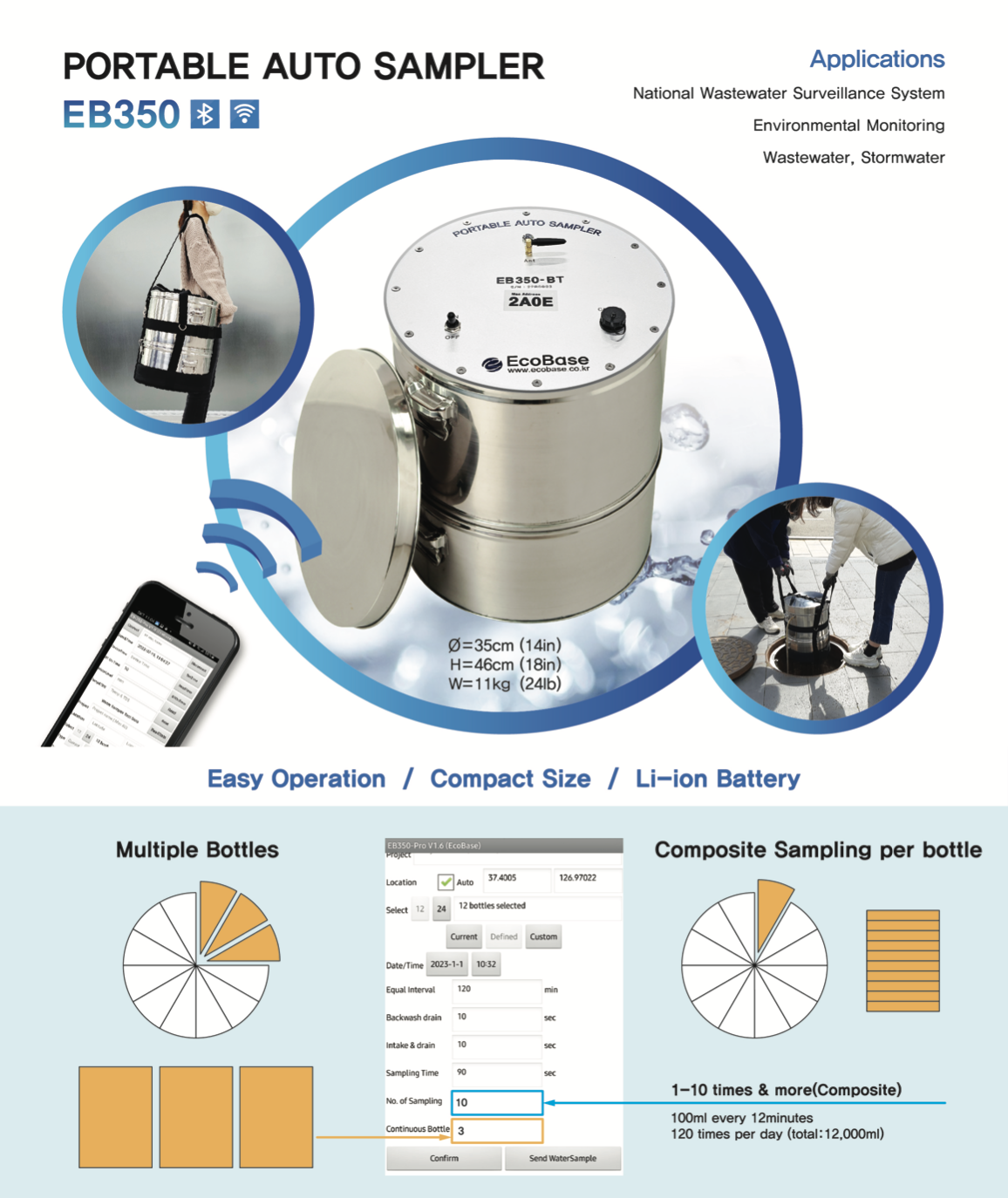
It is small and light in size of D37×H43cm 11kg, so it is easy to install and move.
In addition, using LTE, WiFi, and Bluetooth communication, remote control is possible through a dedicated application.
2 Safety
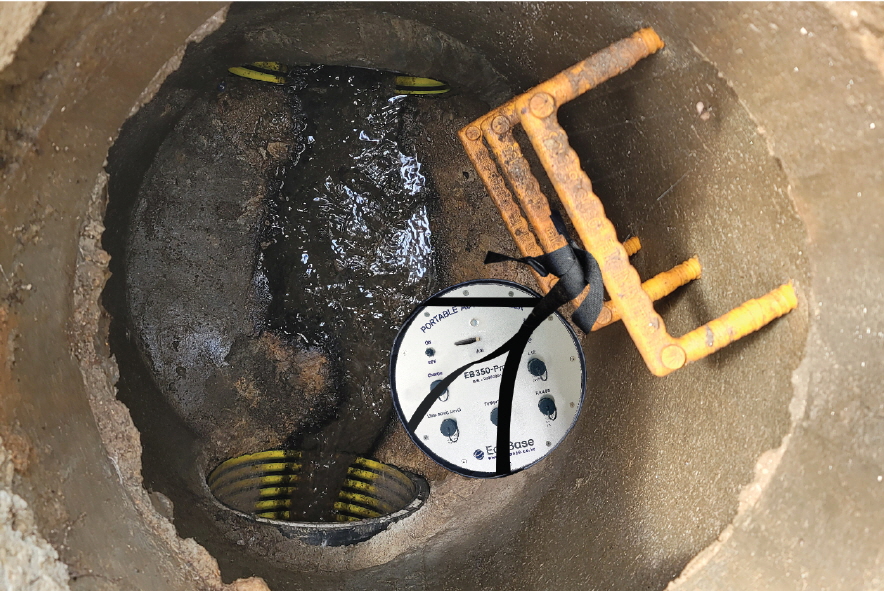
This not only makes work more convenient, but also reduces the on-site work time, reducing the probability of occurrence of various industrial accidents.
| Portable water Sampler | Grap sampling | |
| Image |
|
|
| Cycle accuracy | Accurate | inaccurate |
| Concurrency | Multiple points at the same time. | Difficulty of Simultaneous Sampling |
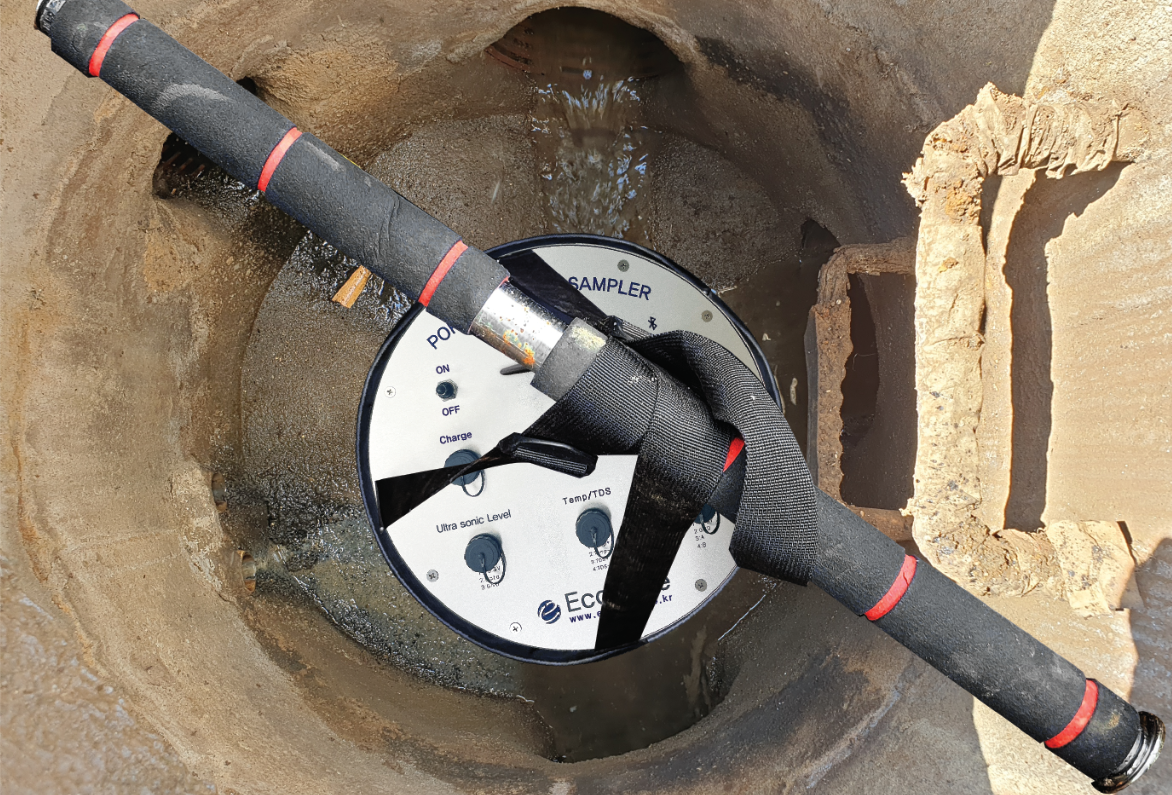
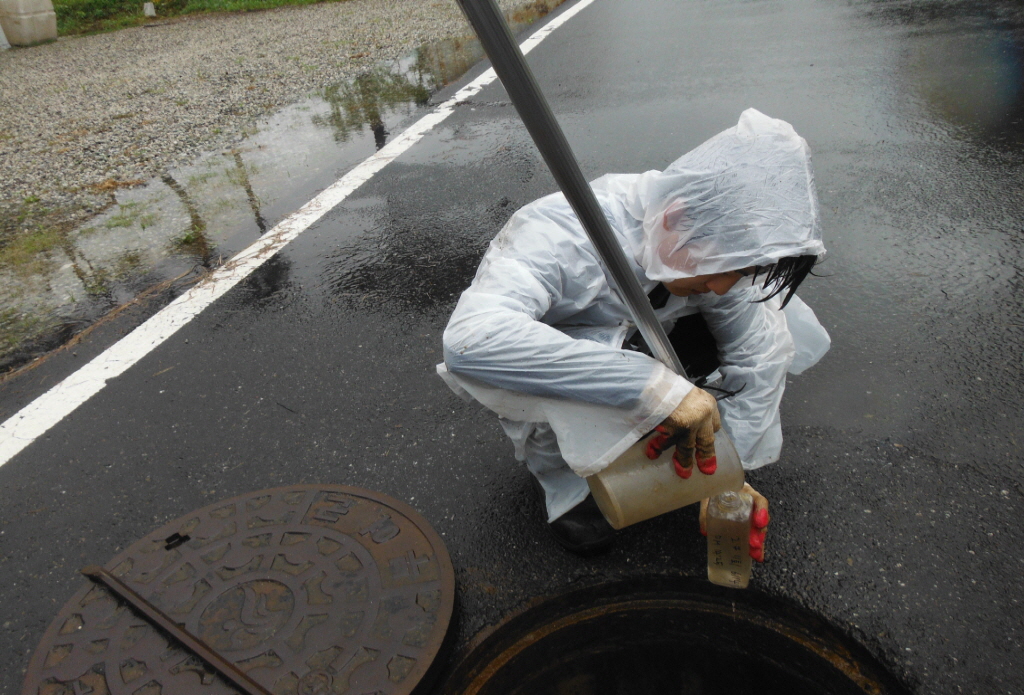
| Safety | Securing safety through one-time installation in manhole | Risk of safety accidents during late night or rain due to opening and closing of manholes more than 12 times in 24 hours |
| Required manpower in 10 places | a pair of two | 10 in pairs |
3 Applications
It can be used in various fields such as sewage and wastewater treatment facilities, sewage pipeline technical diagnosis, water pollution control agency discharge facilities, lake water, river water, and dams.
- Manhole
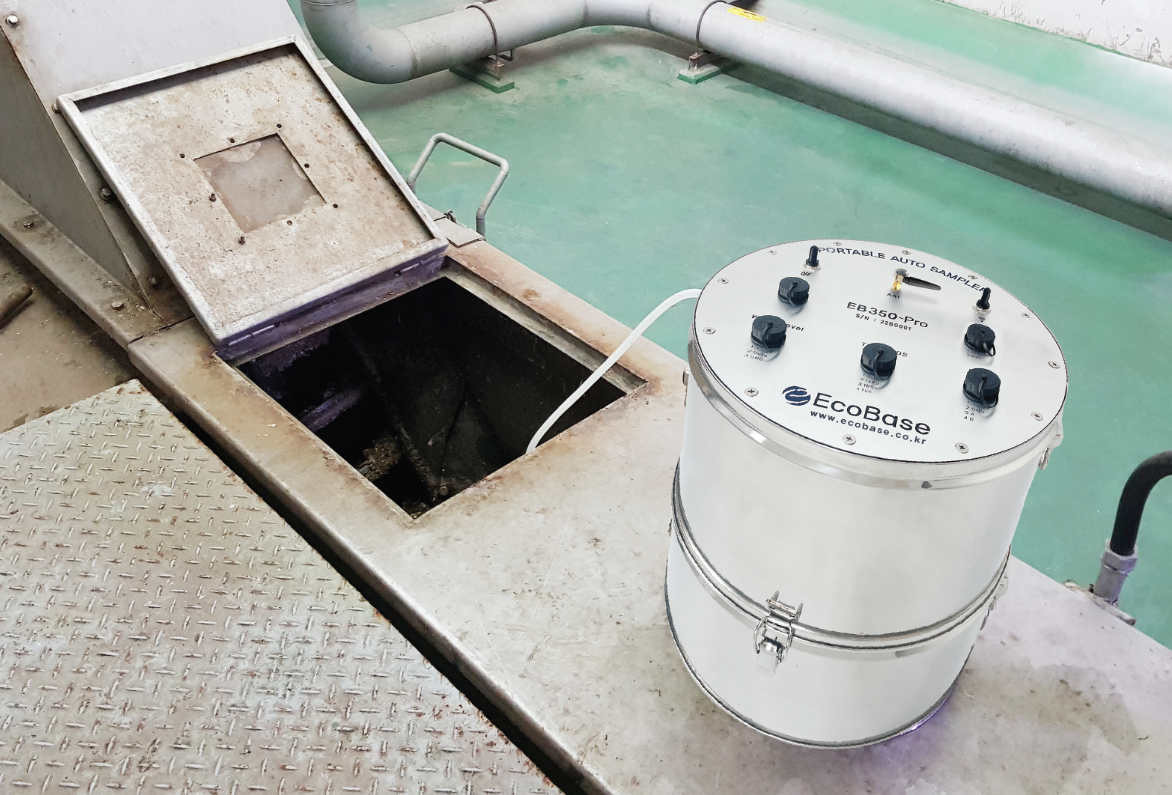 Wastewater treatment plants
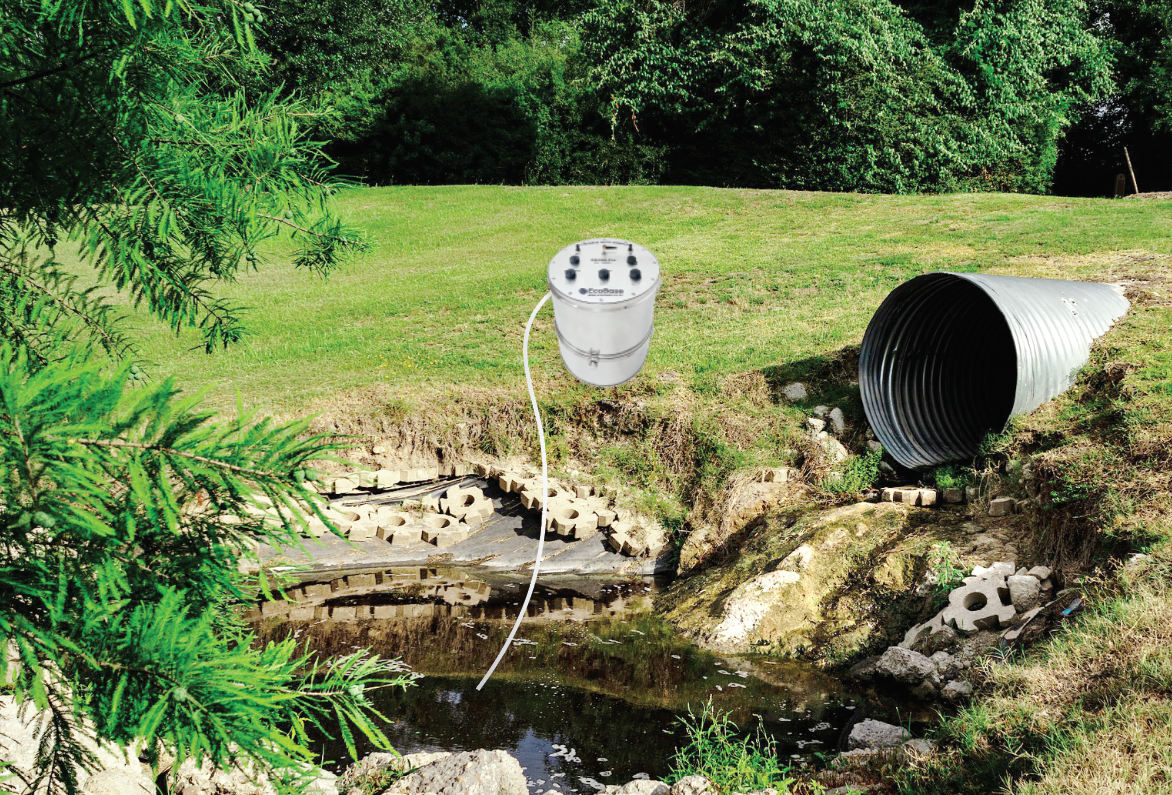 Discharge of illegal pollutants Monitoring
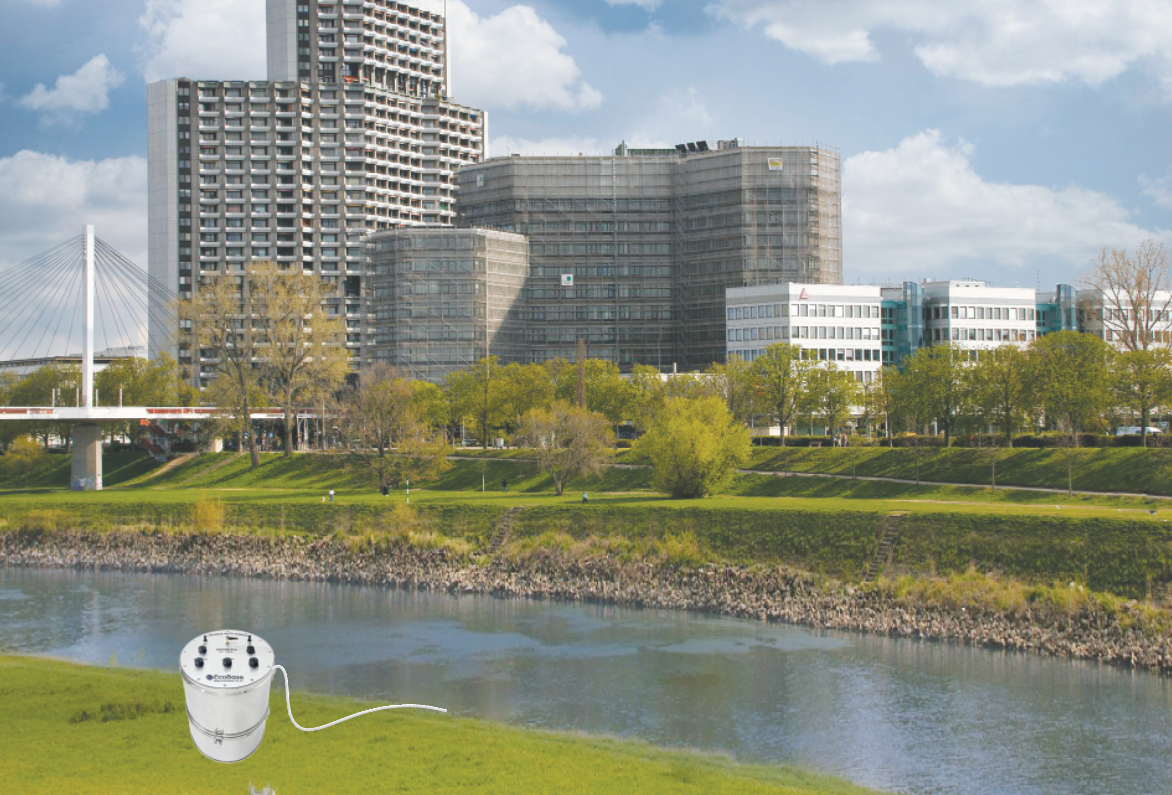 River
River Lake
Lake
4 Type
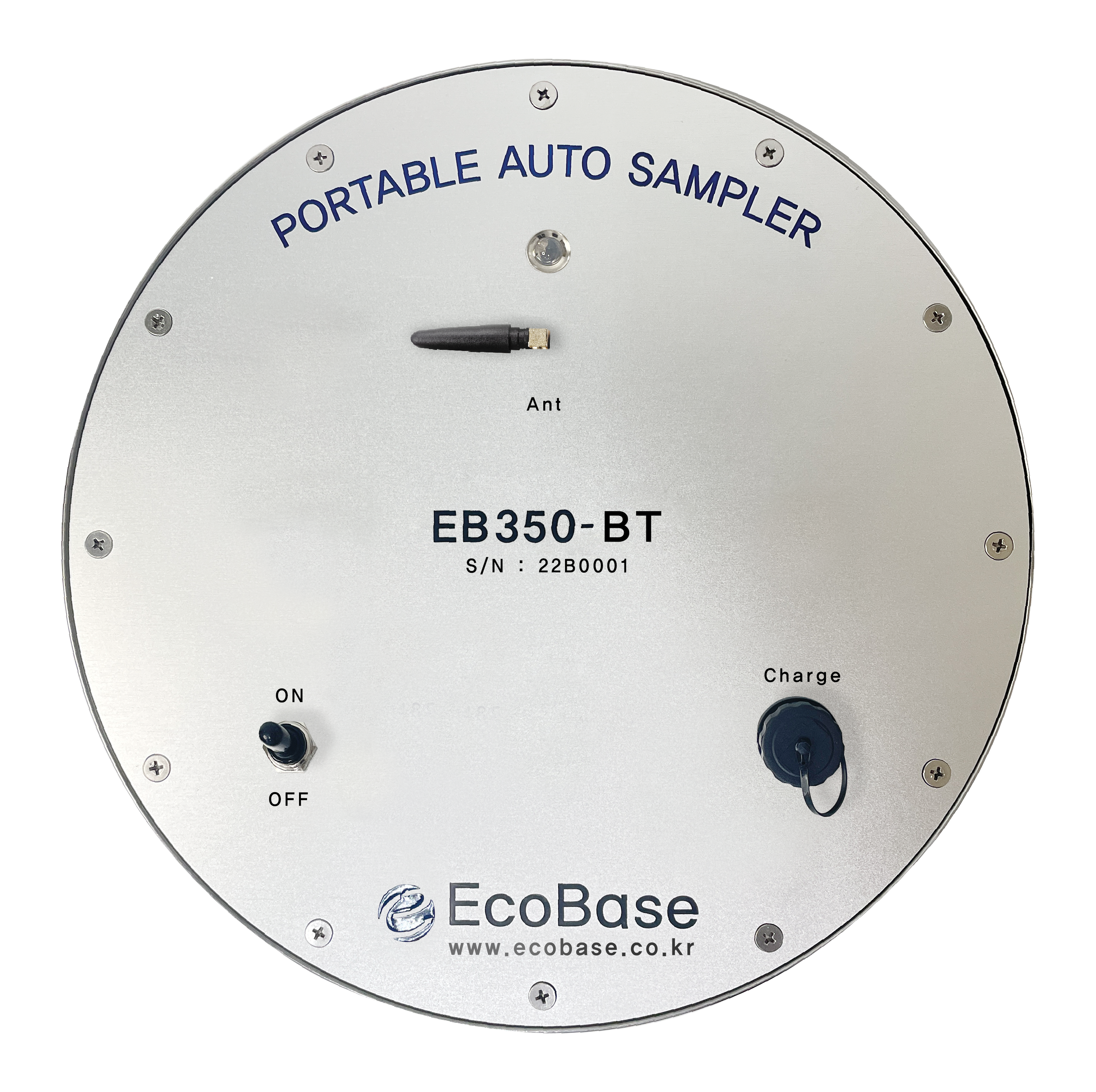
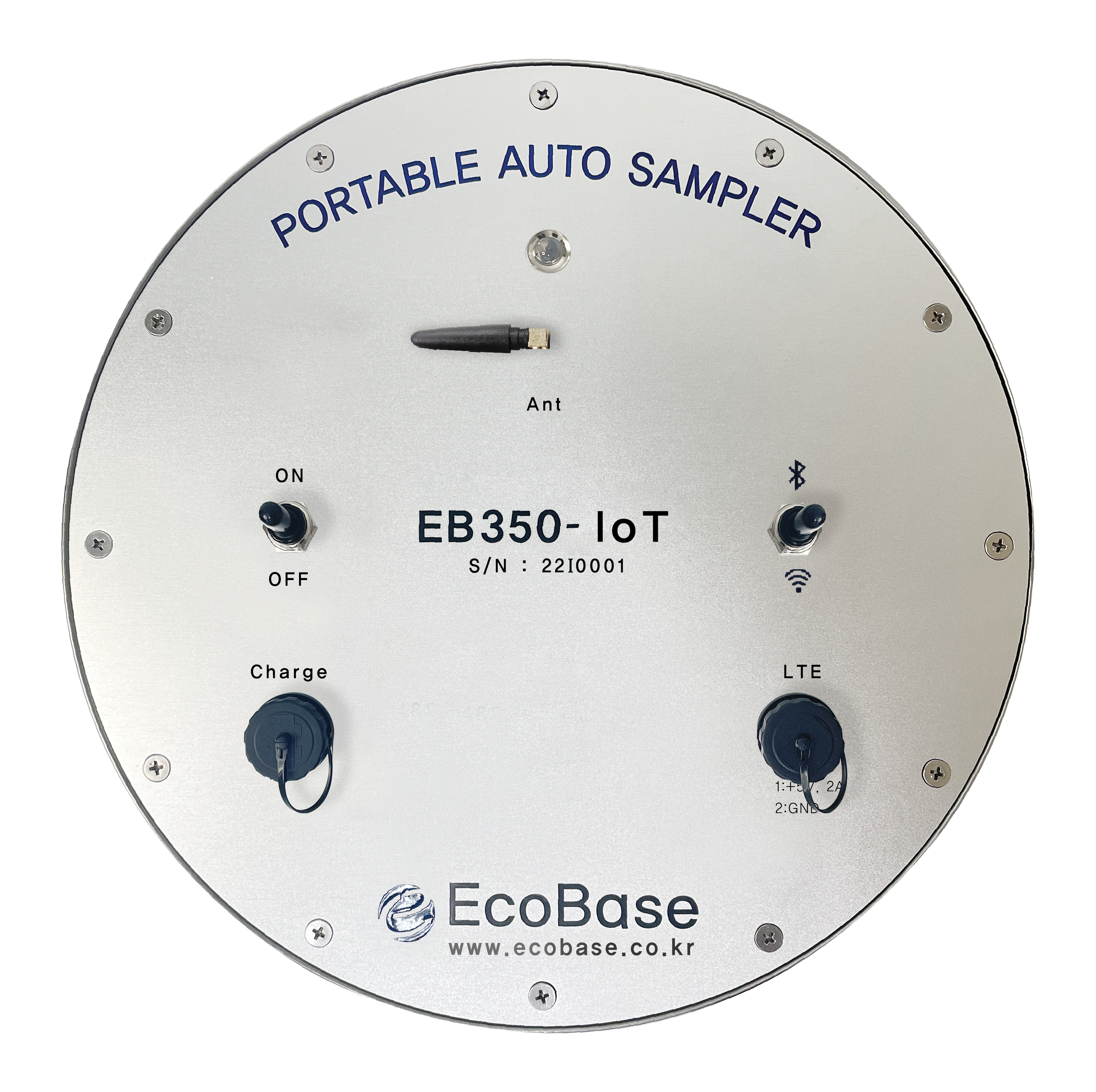
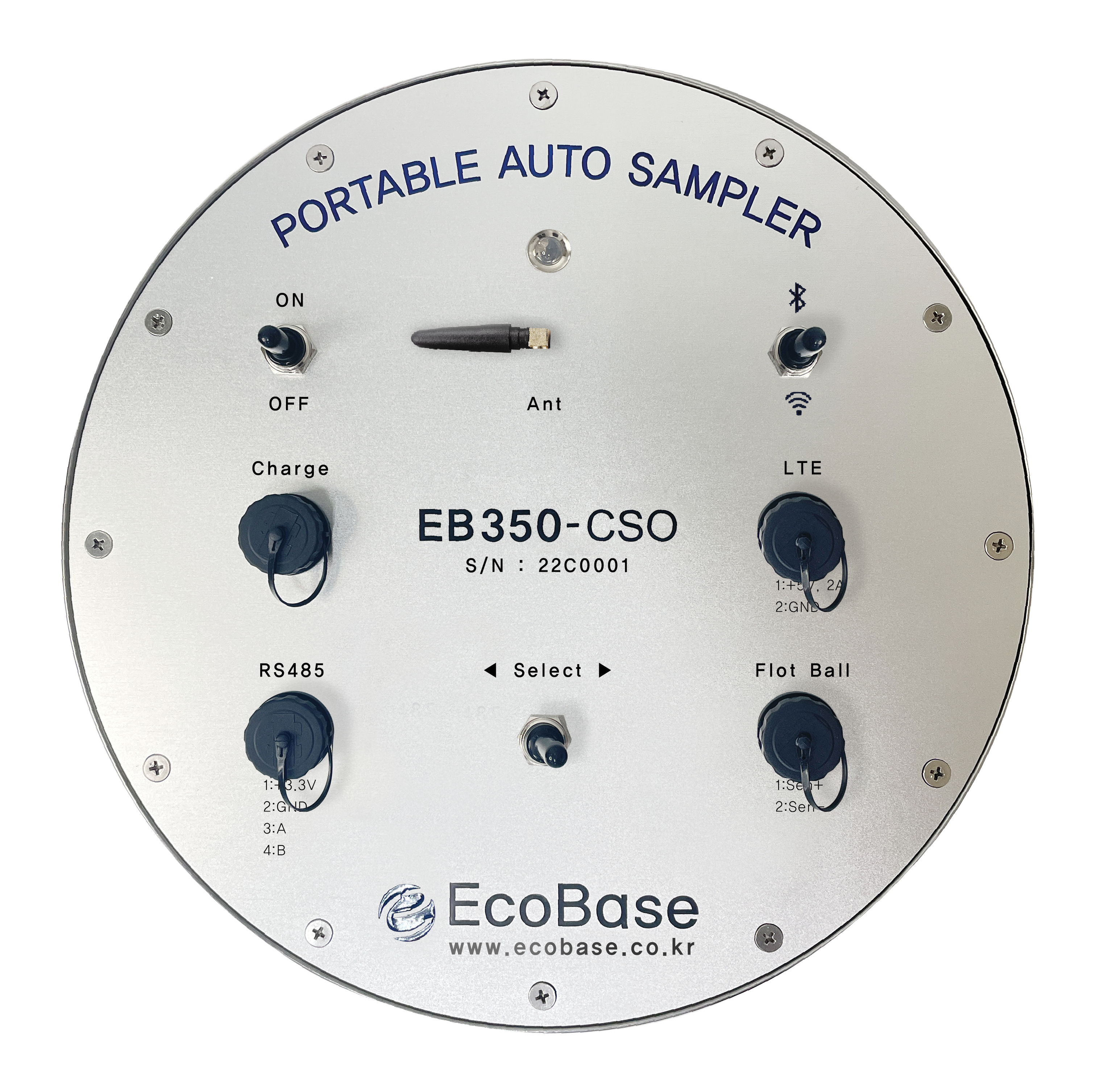
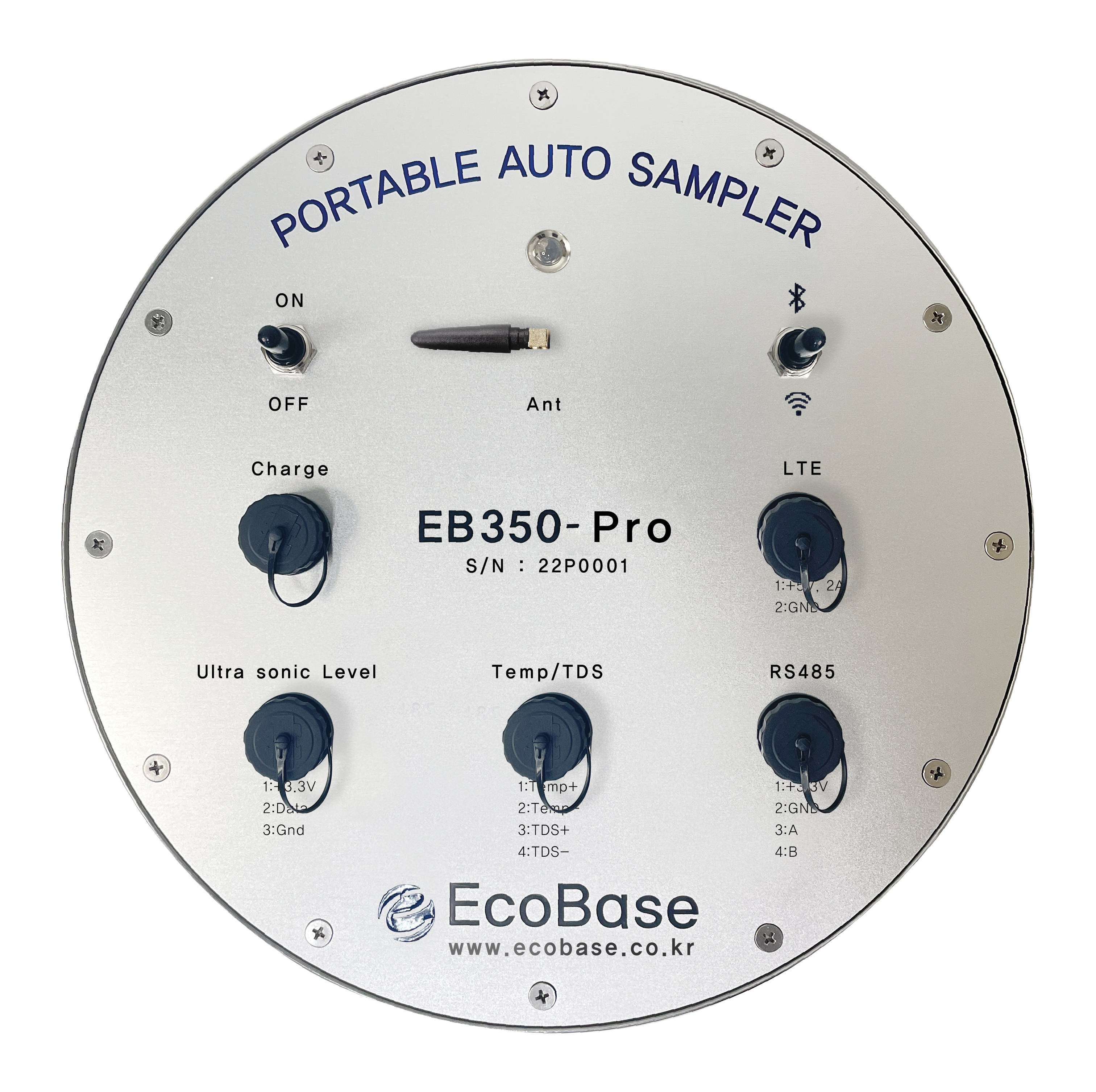
| EB350-BT | EB350-IoT | EB350-CSO | EB350-Pro | ||
| Image |
 |
 |
 |
 |
|
| *Sampling Interval |
"As you wish" Adjustable date(mmddyy) & time(00:00) |
||||
| Bluetooth | O | O | O | O | |
| WiFi/LTE | - | O | O | O | |
| RS485 | - | - | O | O | |
| Ultra Sonic Level | - | - | - | O | |
| Temp&TDS | - | - | - | O | |
| Float Ball Switch | - | - | O | - | |
| Bottle | 1L x 12ea, 0.5L x 24ea | ||||
5 Wastewater-Based Epidemiology (WBE)
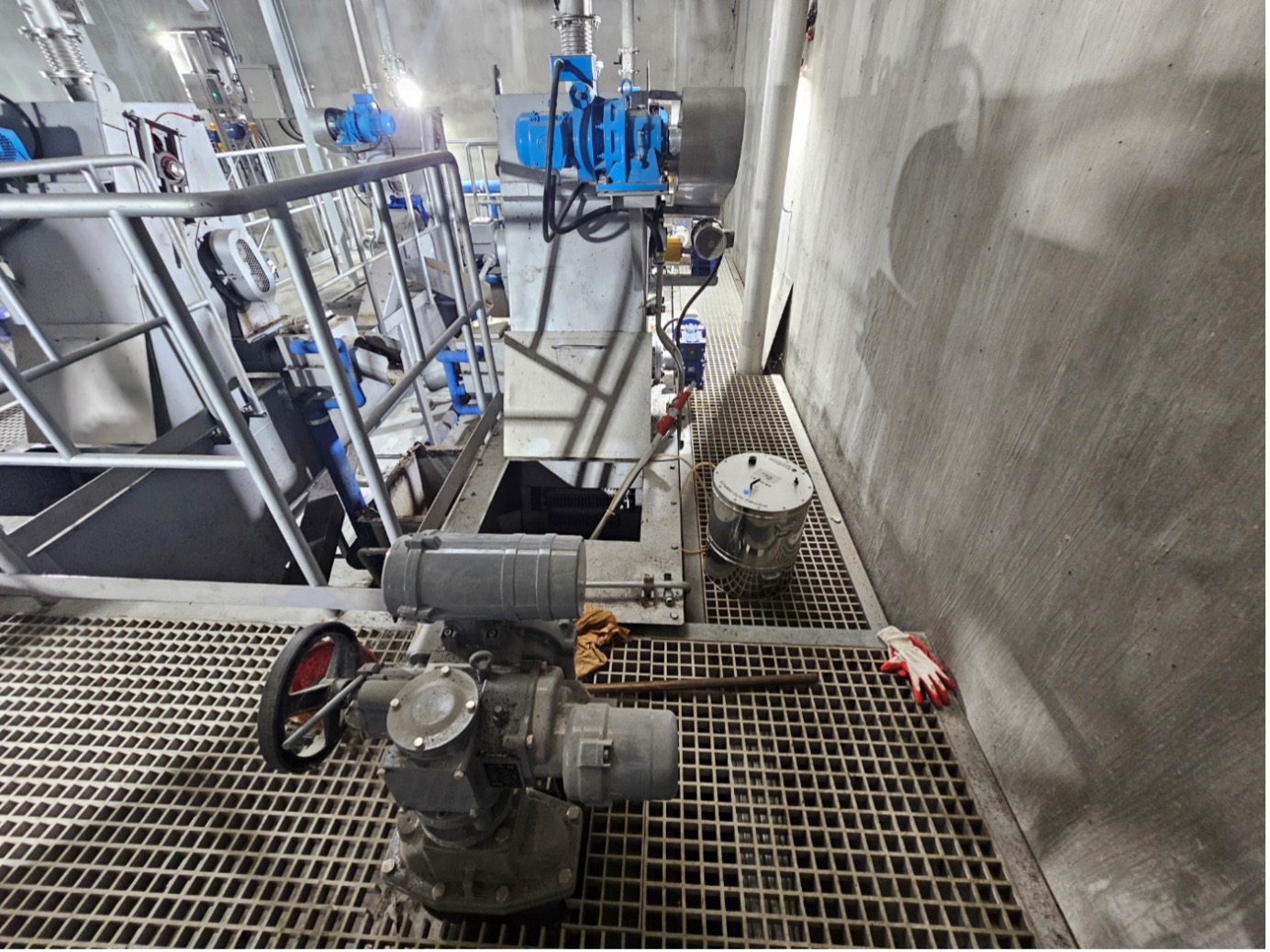
Wastewater-based epidemiology is a scientific approach that analyzes wastewater entering wastewater treatment plants or flowing through sewer networks to assess and monitor public health indicators such as community lifestyle patterns, health status, and substance consumption within the population served by the sewer catchment area.
When human excreta or substances used in daily life are discharged into wastewater systems, the original compounds or their metabolic byproducts (biomarkers) remain in the wastewater. By analyzing the type and concentration of these biomarkers, and considering parameters such as wastewater flow rate and population size within the catchment, wastewater-based epidemiology enables estimation of community-level substance consumption and disease prevalence.
5.1. Necessity of Wastewater-Based Epidemiology
1) Early Warning of Infectious Diseases
- Wastewater surveillance enables the detection of pathogens such as COVID-19, influenza, poliovirus, and norovirus prior to the onset of clinical symptoms in the population.
- Providing an early warning system for infectious disease outbreaks.
2) Assessment of Illicit Drug Consumption
- It allows the estimation of types and scale of illicit drug consumption, including substances such as cocaine, methamphetamine, and MDMA, within specific communities.
3) Monitoring Public Health and Lifestyle Indicators
- Wastewater analysis can provide insight into pharmaceutical usage (e.g., antibiotics, antidepressants), alcohol and nicotine consumption.
- Can even reflect dietary patterns or stress levels through biomarker analysis (e.g., stress-related hormones).
5.2. Selection of Sampling Locations for Wastewater Epidemiology
1) Wastewater Treatment Plant Influent
- Sampling at treatment plant inlets provides population-representative data covering large catchment areas, often representing hundreds of thousands of residents.
2) Targeted Sewer Manholes (Localized Surveillance)
- Sampling from specific sewer manholes allows high-resolution monitoring of smaller populations, such as those in residential communities, apartment complexes, schools, hospitals, or airports.
5.3. Sampling Methods
1) 2-Hour Interval 24-Hour Composite Sampling
- ● Sampling is conducted 12 times over a 24-hour period at 2-hour intervals.
- ● During each sampling event, four subsamples are collected at 30-minute intervals and combined into a composite sample.
- ● This approach reflects temporal variability throughout the day and provides the highest level of representativeness.
2) 24-Hour Composite Sampling
- ● Using an automatic wastewater sampler, subsamples are collected at regular intervals throughout the day and combined into a single composite sample representing the daily average concentration.
- ● This method provides high representativeness of daily wastewater characteristics.
3) Grab Sampling
- ● Grab sampling involves collecting a single sample at a specific point in time.
- ● While simple and rapid, this method reflects only the conditions at the exact sampling moment and may not represent daily variations.
4) Data Normalization
- Raw wastewater data cannot be interpreted directly without adjustment. Normalization procedures are required to account for factors including:
- ● Rainfall events (dilution effects)
- ● Wastewater flow rate
- ● Weekday versus weekend behavioral patterns
- ● Population size contributing to the sampling point.
Example: (Number of viral gene copies per liter of wastewater) → Conversion to viral gene copies excreted per person per day is necessary to enable accurate epidemiological interpretation.
5.4. Status of Wastewater Surveillance Systems
| South Korea KOWAS (Korea Wastewater Surveillance System) |
● Wastewater samples are collected from 99 wastewater treatment plants nationwide. ● Analysis is conducted by 17 regional Institutes of Health and Environment. ● The Korea Disease Control and Prevention Agency (KDCA) monitors wastewater-based infectious disease indicators. ● Target pathogens include: - Coronavirus, Norovirus, Influenza (A/B), Enterovirus |
| United States NWSS (National Wastewater Surveillance System) |
● NWSS represents the largest wastewater surveillance network in the world. ● More than 1,500 surveillance sites are currently operational. ● The system covers over 45% of the U.S. population. ● It provides surveillance data at state, regional, and national levels and monitors pathogens including: - COVID-19, Influenza, RSV, MPOX, Avian influenza (H5N1) |
| Netherlands RIVM (National Institute for Public Health and the Environment) |
● The Netherlands operates one of the most advanced wastewater surveillance systems globally. ● More than 300 wastewater treatment plants are monitored. ● 24-hour composite samples are collected weekly. ● The system covers approximately 99% of the national population (17 million people). ● Innovative approaches include aircraft wastewater surveillance at Amsterdam Schiphol Airport. |
| Japan |
● Japan has announced a 10-year national plan (beginning in 2025) to commercialize a wastewater environmental monitoring system through three implementation phases. ● Phase 1 – Monitoring System Development: Initiation of wastewater surveillance in major metropolitan areas and international airports ● Phase 2 – Information Network Development: Development of legal frameworks and national data infrastructure ● Phase 3 – System Implementation: Nationwide deployment enabling comprehensive pathogen detection and large-scale surveillance |
| Singapore |
● Singapore utilizes advanced wastewater infrastructure through the Deep Tunnel Sewerage System (DTSS). ● Wastewater from across the country is conveyed to three centralized treatment plants. ● The system consists of deep tunnels approximately 50 meters underground and extending over 206 km. ● This infrastructure enables gravity-driven wastewater transport and highly efficient nationwide monitoring. |
| Australia National Wastewater Surveillance Program (NWSP) |
● This program is a collaboration between CSIRO and the University of Queensland. ● In early 2020, the program successfully demonstrated proof-of-concept for COVID-19 wastewater monitoring. ● Sentinel surveillance sites monitor pathogens including: COVID-19, Influenza, RSV, Poliovirus. ● The program is also developing aircraft wastewater monitoring methodologies. |
| Canada Federal–Provincial Collaborative Surveillance Model |
● More than 30 surveillance sites monitor pathogens including: COVID-19, Influenza, RSV, MPOX. ● The federal and provincial governments collaborate to update surveillance data every Tuesday and Friday, providing near real-time public dashboards. |
5.5. Future Prospects and Challenges
Wastewater-based epidemiology has expanded rapidly following the COVID-19 pandemic and is now evolving into a comprehensive environmental public health surveillance tool. Future developments are expected to include:
● Integration of artificial intelligence and big data analytics
● Development of real-time automated wastewater monitoring systems
● Strengthening international standardization and global collaboration
The World Health Organization (WHO) is promoting the establishment of the Global Wastewater Surveillance Consortium (GLOWACON). Through international data sharing and cooperation, this initiative aims to enhance global infectious disease preparedness and response systems.
Furthermore, the scope of wastewater surveillance is expected to expand to include:
● Antimicrobial-resistant bacteria
● Emerging infectious diseases
● Environmental contaminants
Automatic Wastewater Sampler
○ Auto-Sampler
○ Supports Composite Sampling and Grab Sampling
6 Installation Cases and Operation Videos
Incheon Airport inflow line installation case
Video comparing water collection methods
Grab Sampling
Composite Sampling
Reference Materials
※ Clicking the link will open in a new window.
- Application case of automatic water collector based on sewage mechanics https://blog.naver.com/sawan112/224148882971
- KOWAS Project https://kowas.re.kr/
7 YouTube
Please like and subscribe to the YouTube channel "Ecobase"